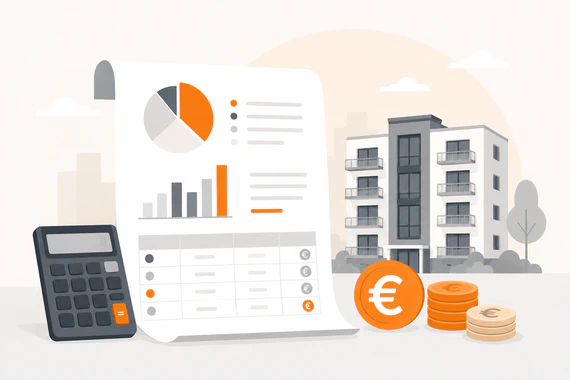
How to Prepare a Condominium Budget: Complete Guide (+ Free Template)
Preparing the condominium budget is, every year, one of the tasks that causes administrators the most stress. It is the …


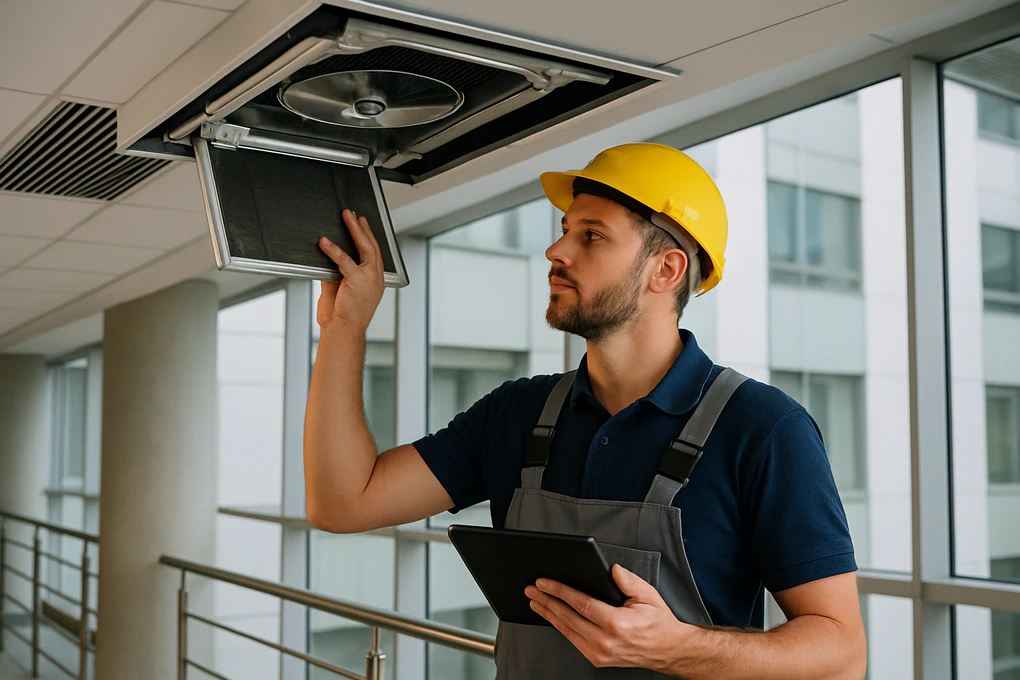
Preventive maintenance is essential to extend the lifespan of buildings, avoid unexpected breakdowns, and reduce long-term costs. However, implementing an effective plan is not always easy without a well-defined approach.
In this article, we share five best practices to help your team or company organize maintenance with greater control and fewer surprises.
Combine scheduled maintenance with real usage data from equipment to ensure interventions happen at the right time.
Maintain a clear, centralized history of all interventions, failures, component replacements, and technical visits.
Assign tasks clearly and with defined deadlines. Use management software to avoid oversights and duplication of efforts.
Know exactly how much you’re spending per piece of equipment or building area. This supports more strategic decisions, such as replacements or outsourcing.
Execution is not enough. It’s crucial to analyze KPIs such as number of failures prevented, response time, and user satisfaction.
With these practices, preventive maintenance stops being a difficult obligation to manage and becomes a competitive and operational advantage.
Want to see how our software can help? Contact us and discover the ideal solution for your needs.
Preparing the condominium budget is, every year, one of the tasks that causes administrators the most stress. It is the …

Interview with nBanks SolidSoft interviewed nBanks, a Portuguese company specializing in Open Banking, Open Finance and …